

Are you struggling with withdrawal symptoms and looking for a solution? Clonidine is a medication that’s often used to help manage these symptoms. Clonidine can ease some of the discomforts associated with withdrawal from opioids, alcohol, and other substances. This article explores how clonidine works, its benefits, and what you need to know about its use.
Key Takeaways
- Clonidine helps manage withdrawal symptoms.
- It is used for opioids, alcohol, and other substances.
- Know the benefits and risks of clonidine.
Understanding Clonidine
Clonidine is a medication used for treating various medical conditions. It’s important to know its chemical and brand names, how it works, and its uses in medical treatment.
Chemical and Brand Names
Clonidine’s chemical name is 2,6-dichloro-N-(2-imidazolidinylidene)benzamine. It is sold under several brand names, with Catapres being one of the most popular.
Besides Catapres, other brands include Kapvay, which is used mainly for treating ADHD. Knowing the different names helps you understand the various contexts in which clonidine is used.
Mechanism of Action
Clonidine works by targeting alpha-2 adrenergic receptors in your brain. These receptors play a key role in your sympathetic nervous system, which controls your fight-or-flight response.
By activating these receptors, clonidine reduces the release of neurotransmitters that speed up your heart rate and raise blood pressure. This helps to calm your system and lower blood pressure, making it effective for conditions like hypertension and withdrawal from certain drugs.
Usage in Medical Treatment
Clonidine is versatile in its medical applications. It is prominently used for treating high blood pressure and managing withdrawal symptoms from opioids. Its ability to reduce certain symptoms, such as anxiety, makes it valuable for those going through drug withdrawal.
Moreover, clonidine is sometimes used for ADHD in children and adults, as well as certain pain conditions. The dosage and administration will vary depending on the condition being treated, making it crucial to follow medical advice.
Using clonidine under the guidance of a healthcare provider ensures its effectiveness and minimizes risks associated with its use. Understanding its uses can help you better appreciate its role in medical treatment.
Clonidine in Withdrawal Treatment
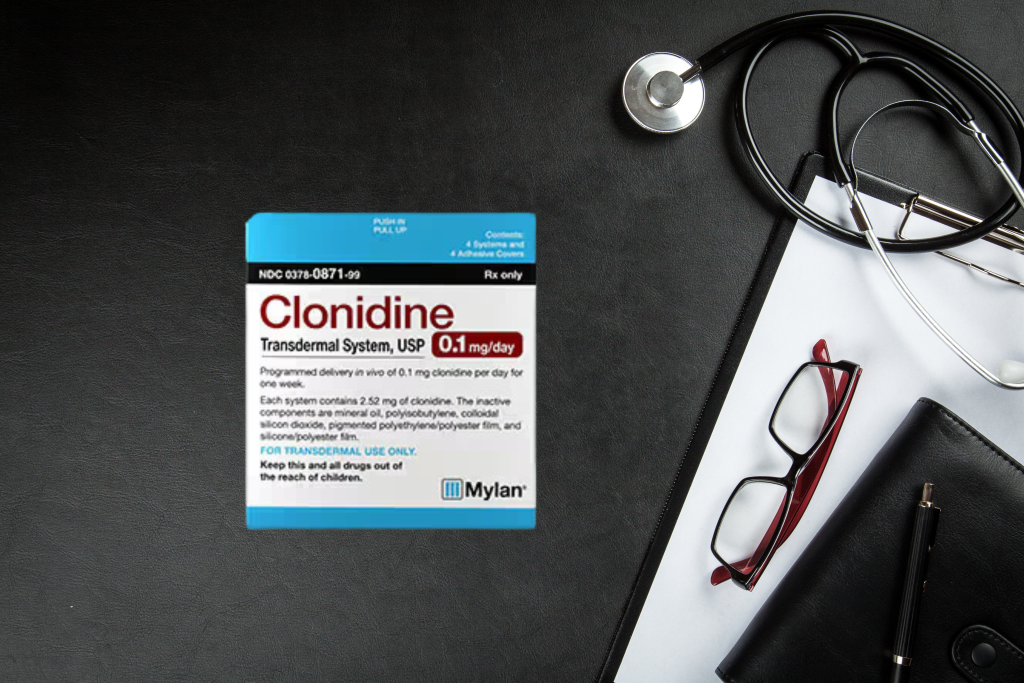
Clonidine is often used to help manage withdrawal symptoms from various substances. It can ease discomfort and reduce cravings, making it easier to taper off and complete detoxification.
Opioid Withdrawal Management
Clonidine plays a significant role in managing opioid withdrawal symptoms. These symptoms include anxiety, agitation, muscle aches, sweating, and runny nose.
Function: Clonidine works by reducing the stimulation of certain parts of the brain that are involved in the withdrawal process. This helps calm the body’s response to the absence of opioids.
Usage: A treatment program might include Clonidine to help with opioid use disorder or dependence. It can be part of a comprehensive addiction treatment plan, often in combination with other medications and therapies.
Alcohol Dependence
Clonidine can also be helpful for individuals withdrawing from alcohol. It helps manage symptoms like anxiety, elevated heart rate, and high blood pressure.
Effectiveness: Clonidine aids in reducing the severity of withdrawal symptoms, making the detoxification process more manageable.
Considerations: Clonidine should be used carefully because alcohol interaction can vary. It’s typically prescribed under strict medical supervision to ensure safe tapering off from alcohol.
Nicotine and Other Substance Withdrawals
Clonidine is sometimes considered for people withdrawing from nicotine and other substances. It can help with symptoms such as irritability, anxiety, and certain physical discomforts.
Benefits: In people trying to quit smoking, clonidine may reduce cravings and withdrawal symptoms. It also has a role in treatment programs for other non-opioid substances to help ease the transition during detoxification.
Approach: Clonidine is often part of a broader addiction treatment strategy, combined with behavioral therapies and support to ensure successful withdrawal and recovery.
Managing Withdrawal Symptoms with Clonidine
Clonidine can help manage withdrawal symptoms such as nausea, headache, and anxiety. It is important to understand the proper dosing and administration to maximize its effectiveness and minimize side effects.
Identifying Withdrawal Symptoms
Withdrawal symptoms can vary widely but often include nausea and vomiting. Other common symptoms are agitation, insomnia, and depression. You might also experience cravings, diarrhea, tremors, and sweating. Less common but serious symptoms include hallucinations, psychological dependence, and delirium. Physical symptoms like muscle aches, fatigue, and dry mouth can also occur. Emotional instability and difficulty concentrating can be particularly challenging.
Dosing and Administration
Clonidine is usually given as a tablet or a patch. Tablets are taken 2-3 times per day, starting with a low dose to minimize side effects like drowsiness and dry mouth. The dose may be adjusted based on how well you tolerate it and the severity of your symptoms. Patches are applied once a week and might be more convenient if you prefer not to take multiple daily doses. Always follow medical advice for the correct dosage and administration.
Effectiveness and Time Frame
Clonidine works by reducing the severity of withdrawal symptoms. You can expect relief from symptoms like nausea, headache, and insomnia within a few hours of taking the medication. Most people notice improvements within 3-5 days. The duration of treatment depends on the individual but typically lasts for 1-2 weeks. Consistent use is important for the best results.
Side Effects and Risks

Clonidine for withdrawal has some common side effects and can lead to more serious adverse reactions. It’s important to know when to seek medical help.
Common Side Effects
You might experience dizziness and sedation after taking clonidine. These are very common and usually not severe. It’s also common to feel dry mouth and fatigue. In some cases, you might notice a slow heart rate or constipation.
Some people report mild tremors and headache. Make sure to not engage in activities that need full alertness until you know how clonidine affects you. It’s a good idea to stay hydrated and get plenty of rest.
Adverse Reactions
Adverse reactions to clonidine can be serious. Sudden stopping of the drug may lead to rebound hypertension or even a hypertensive crisis, which is a medical emergency. This can cause a rapid spike in blood pressure and may lead to a stroke.
Overdose is another serious risk. Symptoms can include extreme drowsiness, slower heart rate, and breathing difficulties. If you suspect an overdose, seek medical attention immediately.
Seeking Medical Help
You should seek medical help if you experience severe side effects. Signs of an emergency include severe dizziness, very slow heart rate, or shortness of breath. If you stop clonidine suddenly and notice a rapid spike in blood pressure, seek help right away.
Remember to follow your doctor’s instructions closely. Don’t stop taking clonidine without consulting your doctor to avoid the risk of clonidine rebound. Regular medical check-ups are crucial to monitor your condition and adjust your dosage if needed.
Addressing Co-occurring Disorders

Managing co-occurring disorders when dealing with withdrawal can be complex. It’s essential to understand the interaction between substance use and other mental health issues.
ADHD and Substance Use Disorder
People with Attention Deficit Hyperactivity Disorder (ADHD) may be more prone to substance use disorders. Symptoms like impulsiveness and difficulty in focusing can lead to addiction. Clonidine can help manage symptoms of both ADHD and opioid withdrawal by reducing stress and improving focus.
For those dependent on heroin or opioids, managing ADHD is crucial. Methadone and buprenorphine are often used to treat opioid addiction, but incorporating clonidine can provide additional support by helping control ADHD symptoms. This combined approach can improve overall treatment outcomes.
Depression and Anxiety
Depression and anxiety are common among those dealing with substance dependence. These mental health issues can make withdrawal symptoms worse. Clonidine can help lower blood pressure and anxiety levels, easing the withdrawal process from substances like cocaine or opioids.
When treating depression or anxiety in the context of opiate withdrawal, combining clonidine with traditional therapies can provide relief. This might include medications like buprenorphine or methadone for addiction, along with clonidine to manage psychological stress.
Considerations for Specific Populations

When using clonidine for withdrawal, it is essential to consider the unique needs of different groups. Age and pregnancy status can significantly impact clonidine’s safety and effectiveness.
Age-Related Considerations
Younger and older adults may respond differently to clonidine. For elders, the risk of side effects like low blood pressure and dizziness increases due to aging. Monitoring is crucial to avoid falls and other complications.
Children and adolescents need lower doses. Their bodies process medications differently. Adjusting dosage helps minimize side effects while ensuring effectiveness.
Regular check-ups are advised for all ages. This helps to tailor the treatment better to individual needs and observe any adverse reactions promptly.
Pregnancy-Related Issues
Pregnant individuals should use clonidine with caution. The drug can cross the placenta and impact the fetus. Studies on humans are limited, but animal research suggests possible risks.
Doctors often weigh clonidine’s benefits against potential risks during pregnancy. It may be prescribed if other treatments are not suitable. Close monitoring of both the mother and fetus is necessary.
Breastfeeding mothers should be cautious. Clonidine can pass into breast milk and affect the newborn. Consultation with a healthcare provider is essential to discuss safer alternatives and ensure the baby’s well-being.
Frequently Asked Questions

Clonidine is useful in treating withdrawal symptoms and has various medical uses. It is often prescribed for specific symptoms and can sometimes be used off-label.
How long does it take for clonidine to be effective in treating withdrawal symptoms?
Clonidine usually starts working within 30 to 60 minutes. Full effects can be seen within a few hours.
What are the recognized medical uses of clonidine?
Clonidine is used to treat high blood pressure, ADHD, and some pain conditions. It also helps manage withdrawal symptoms from opioids and other substances.
Do doctors have any common concerns about using clonidine?
Doctors may worry about blood pressure dropping too low. They also monitor for signs of drowsiness and dry mouth, which are common side effects.
What are some off-label reasons for prescribing clonidine?
Clonidine is sometimes used for anxiety, PTSD, and sleep disorders. These are not its primary uses but can be beneficial in certain cases.
What withdrawal symptoms is clonidine typically prescribed for?
Clonidine is often prescribed for sweating, anxiety, and tremors. It can also help with general discomfort and insomnia during withdrawal.
Can clonidine be used to treat withdrawal from substances other than opioids?
Yes, clonidine can help with withdrawal from alcohol and nicotine. It’s most commonly associated with opioid withdrawal but is versatile in treating various cases.